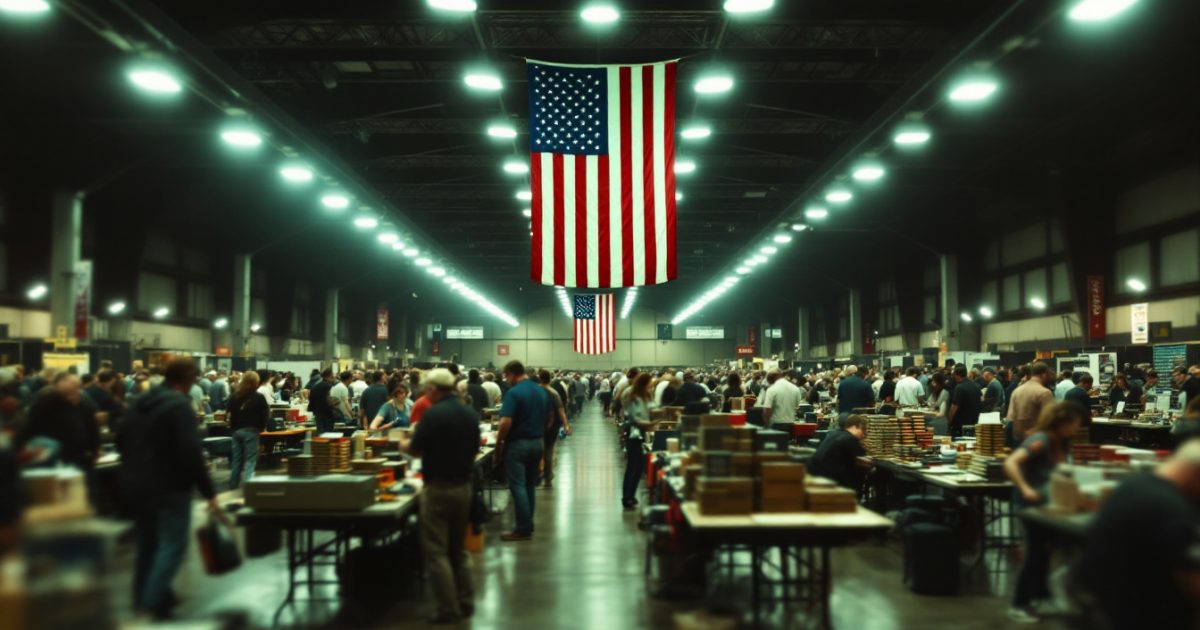
Every one of us carries some version of the same memory. Folding tables under fairground fluorescents. Hoppe’s No. 9 and popcorn fighting it out somewhere over aisle three. A mil-surp bin full of cosmoline-slick Mausers priced to haggle. The jerky guy. There’s always a jerky guy.
Nobody just bought a rifle in that room. The rifle came with its whole life story, free of charge, from a man who’d been telling it since Eisenhower.
So when Brent Wheat — thirty years a cop, more than that behind a gun-show table — wrote that he worked a whole Sunday, grossed thirty-three dollars, and spent the rest of the day watching a show he didn’t recognize, I paid attention. Thirty-three bucks buys a lot of people-watching.
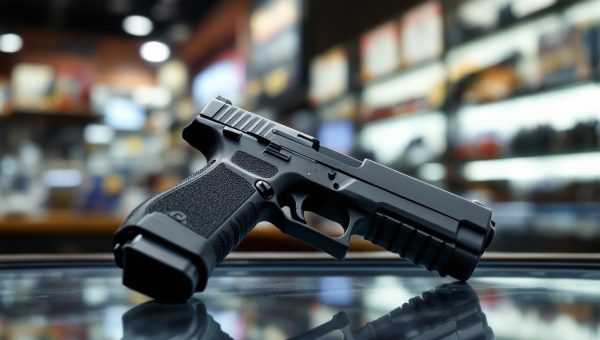
What he saw: AR pistols barely longer than a loaf of bread. Red muzzle devices. Gold Cerakote. Glocks riding in waistbands and on elastic cords, and white 33-round stick mags carried through the aisles like they were varsity jackets. His read, after three decades of cop instincts he was honest enough to admit aren’t evidence: for the old culture, the gun served an identity — hunter, collector, competitor. For a lot of the young crowd, the gun IS the identity.
He left with a bad feeling and a prediction. Like it or not, this is gun culture now.
And look — he’s not wrong that something’s fading, and we’re allowed to miss it. The old show culture ran on patience. On knowing things: headspace, chamberings, why a pre-64 Winchester matters. A kid who walked those aisles with his dad came out knowing more than he went in with, every time. That was the deal. Craft like that doesn’t die loudly. It just quietly stops getting handed to anybody.
But here’s the other half, and it’s just as true: those young buyers with the flashy Cerakote are the future of the Second Amendment. Not a threat to it. The future of it.
Millions of Americans bought their first gun after 2020. Younger, more of them women, more of them from places gun culture never used to reach. They didn’t come for deer season. They came because they decided nobody was coming to save them — which is the oldest, most American reason to own a gun there is. They just arrived at it without a grandfather’s hand-me-down .22 attached.
And let’s be honest, because that’s what we do here: every generation of gun culture looked ridiculous to the one before it. The walnut-and-blued men were horrified by the black-rifle crowd. Now the black-rifle crowd has gray in its beard and it’s clucking at gold slides. Colt was engraving show-ponies before any of us were born. A loud paint job is not a character flaw.
One picture from Wheat’s Sunday stuck with me more than all the hardware combined, though: a boy, maybe twelve, buying a 33-round Glock mag while his mother paid without looking up from her phone.
The problem in that picture isn’t the magazine. It’s the silence. Nobody standing next to that kid explaining anything — not safety, not law, not why. That’s not a story about a new gun culture arriving. That’s a story about an old one that stopped showing up.
The tables will be fine. The crowds are bigger than they’ve been in years. What’s actually at stake is the hand-off — the thing that used to happen in those aisles automatically, one over-long story at a time.
So here’s the job, and it’s yours, the one who knows things: take somebody new to a show. Answer the beginner question like it’s a good one, because it is. Be the guy who explains the mil-surp bin, not the guy who scoffs at the gold Glock.
The culture doesn’t die when the guns change color. It dies when the people who know stop talking to the people who don’t.
Talk.