The clocks went back last night, so it’s dark by five-thirty and this is the part of the year where a man ends up thinking about things.
Here’s mine. Go down the list of every place you’ve ever shot. Not the ones you shoot now — all of them, going back to the first.
The gravel pit. Your uncle’s back forty. The club behind the feed store with the hand-cranked target carriers and a coffee can nailed to the post for dues. The county range that was free and had a sign-in clipboard nobody ever filled out.
How many of them are still there?
For most guys reading this, it’s about half. And the ones that went didn’t go because people stopped shooting. They went for reasons that have nothing to do with us at all, and that’s the part worth understanding, because it’s still happening and it’s going to keep happening.
A club closes about like this.
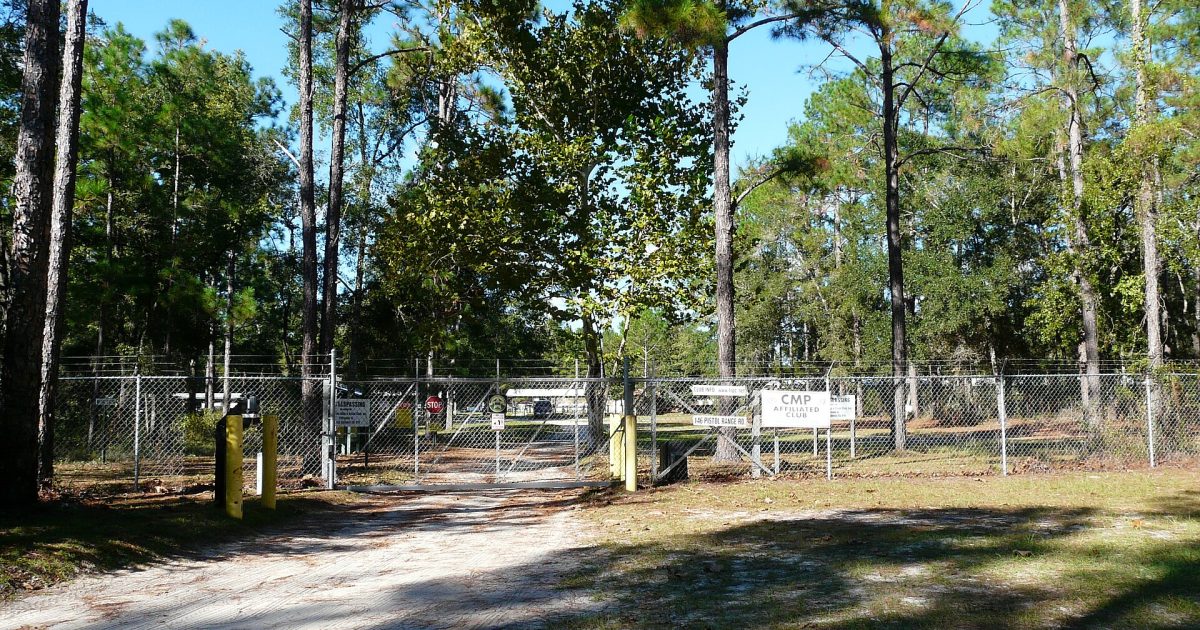
The range has been sitting out past the edge of town since 1961, which at the time meant forty minutes of two-lane and a mailbox at the turn. Then the town comes to it. Not all at once — a road gets widened, then there’s a subdivision where the dairy was, and the new houses are nice and the people in them are perfectly decent people who looked at the listing and the schools and did not drive out on a Saturday afternoon to listen.
Then the complaints start. And here’s the thing that catches clubs flat: the club was there first and it does not matter nearly as much as everybody assumes it does. There’s usually a noise ordinance, or a new one, and there’s a board meeting, and the hours get cut. Just weekends. Then just Saturdays. Then just Saturday mornings, and now the membership can’t actually use the thing they’re paying for, and renewals drop, and the dues stop covering the taxes.
Meanwhile the land is worth eleven times what it was and somebody has absolutely noticed.
Throw in what it costs to carry insurance on a range now, and the fact that lead remediation on a backstop that’s been catching bullets for sixty years is a real number with a lot of zeros, and you’ve got a board of volunteer retirees sitting in a room trying to do arithmetic that doesn’t work.
They take the offer. You’d take the offer. And two years later there’s a sign at the turn with a cursive name on it and a stone wall, and the berm your father zeroed his deer rifle against is under somebody’s garage.
Nobody fights it, either. That’s the part that bothers me more than the money.
These things get decided at a planning commission meeting on a Tuesday night in a room with eleven people in it. The notice ran in the legal section of a paper that half the county doesn’t take anymore. Somebody tapes a sign to a post at the property line, in six-point type, facing the road.
And the four hundred members of that club, who would absolutely have shown up if anybody had told them, find out when the fence goes up.
So here’s my Sunday argument, and it’s the only thing I’ll ask for.
A right you can’t practice is a right on paper. You can own whatever you want — the law can be perfect, the court can hand down every ruling we’ve been waiting on — and if there’s nowhere within an hour to actually shoot, the next generation doesn’t take it up. They don’t get argued out of it. They just never start, because there’s nowhere to go, and a kid isn’t going to drive ninety minutes to find out whether he likes something.
Which means the clubs are infrastructure, and infrastructure needs paying for whether or not you personally used it this month.
Join the one near you. Pay the dues even in the years you make it out four times, because the dues aren’t buying your trigger time — they’re buying the taxes on the land, and the land is the whole thing. If they’ve got a work day in the spring, go to it once. A club that looks maintained wins hearings that a club with a sagging fence loses, and that is not a metaphor, that’s just how boards look at people.
And when the notice goes up, show up. Bring four guys. Eleven people in a room means seven of you is a majority.
That’s it. That’s the sermon.
Somewhere out there is a nine-year-old who’s going to shoot his first .22 in about four years, and whether that happens at all depends on a piece of land some volunteers are currently trying to hang onto.