Go read 27 CFR 479.82 yourself. It’s four lines long and it’s the shortest piece of good news the federal government has produced for gun owners in ninety years.
The transfer tax on an NFA firearm is now two hundred dollars for a machine gun or a destructive device — and, in the regulation’s own words, “$0 for any firearm transferred that is not described in paragraph (a)(1).”
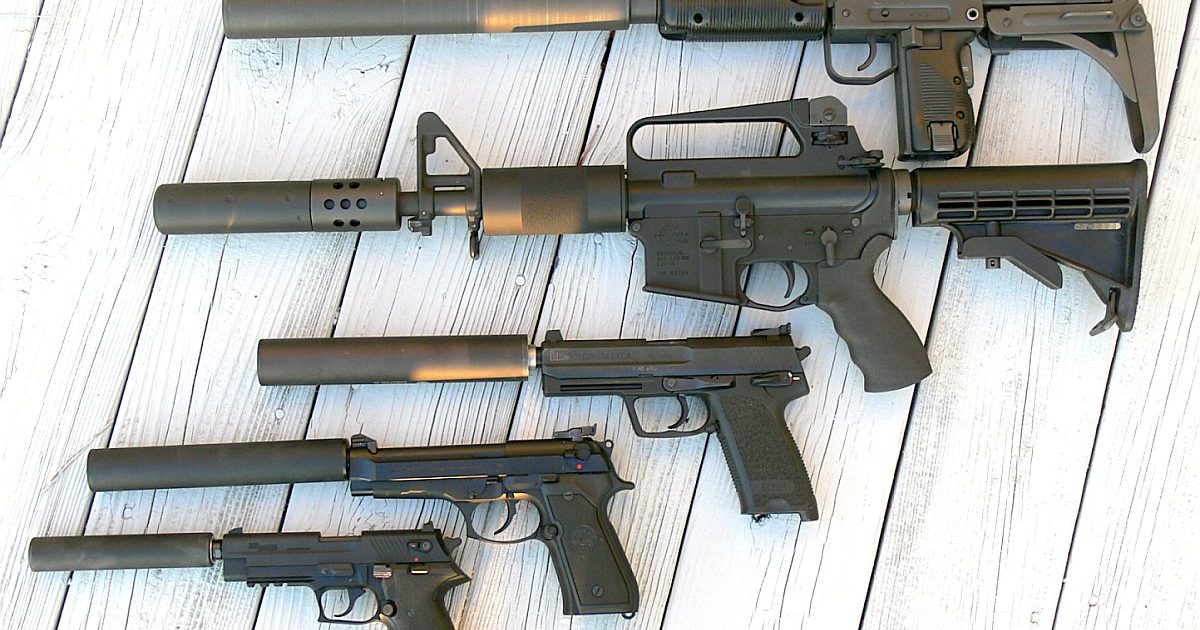
Not described in paragraph (a)(1) means: your suppressor. Your short-barreled rifle. Your short-barreled shotgun. Any other weapon. All of it, zero.
Same thing happened to the making tax over in 479.61. Two hundred for a machine gun or a destructive device, zero for everything else. So the form you file to build an SBR and the form you file to hand one to somebody else both cost nothing now, and the stamp still comes — the regulation still has the Director affixing a stamp “bearing the words ‘National Firearms Act.'” It just costs what the paper is worth.
The amendment is cited at the bottom of the section: ATF 2025R-45F, 91 Federal Register 25118, May 8th of this year. It has been in force since May, and I’d bet real money half the men at your club still think the stamp costs two hundred dollars.
Now here’s why I’m telling you this on a Monday morning instead of just cheering about it.
The place this change actually lands hardest is the one nobody plans for, which is what happens to that suppressor when its owner dies.
A lot of people bought cans in the last ten years. Those people are getting older. And the registry does not care how sad your family is — a registered NFA firearm is registered to a specific person, and when that person is gone somebody has to move it correctly or it becomes a very expensive problem sitting in a safe that nobody is legally comfortable opening.
So here is the actual mechanism, and it is better than you think.
It’s 27 CFR 479.90a, and it’s titled, plainly, “Estates.” The executor — or administrator, or personal representative, whatever your state calls him — “may possess a firearm registered to a decedent during the term of probate without such possession being treated as a ‘transfer.'” The executor is not committing a felony by having the thing in his custody while the lawyers work. That was genuinely murky before 2016, and the rule that fixed it is cited right there: 81 FR 2723, January 15, 2016.
The deadline is probate itself. “No later than the close of probate, the executor must submit an application to transfer the firearm.”
Two doors from there, and which one you take decides everything.
If it goes to a beneficiary — somebody actually named in the will, or whoever inherits under your state’s law if there isn’t one — the executor files an ATF Form 5, which the regulation calls an “Application for Tax Exempt Transfer.” Tax exempt. That one was always free, before any of this changed. The executor lists the estate as the transferor and signs on the decedent’s behalf, showing his own title and the filing date.
If it goes to anybody else — no beneficiaries, or the beneficiaries don’t want it, which happens more than you’d guess — the executor files an ATF Form 4, the tax-paid transfer. And this is where the May change earns its keep. A Form 4 on a suppressor used to mean two hundred dollars out of the estate. Now 479.82 puts that at zero. The only thing still carrying the two hundred is a machine gun or a destructive device, which matters because if there’s a registered pre-’86 machine gun in the family, that one is both the most valuable item in the safe and the only one with a tax bill attached.
Either way, paragraph (c) wants paper, and the list is specific: proof of your appointment as executor, a copy of the death certificate, a copy of the will if there is one, anything else establishing your authority, and any other document affecting how the firearms get distributed. Have all of it before you start, not halfway through.
One hard limit, and it’s the one that breaks families. ATF still has to approve the transfer. Approval is not a formality and it is not automatic, and an heir who can’t lawfully possess a firearm doesn’t become able to by being in the will. If that’s your son, the will doesn’t fix it and neither does the Form 5.
And understand the fence around all of this: Part 479 is the National Firearms Act. Everything above is about suppressors, short barrels and machine guns. Your father’s deer rifle and his duck gun are not in this chapter at all — those run on your state’s law and the ordinary federal rules about who can receive a gun, and the answer genuinely does change depending on which state he died in.
The paperwork is free now. The planning never was.
If somebody in your family has a can in the safe and no idea who it goes to, this weekend — while everybody’s in one house and nobody’s at work — is a better time to ask than the week after a funeral.