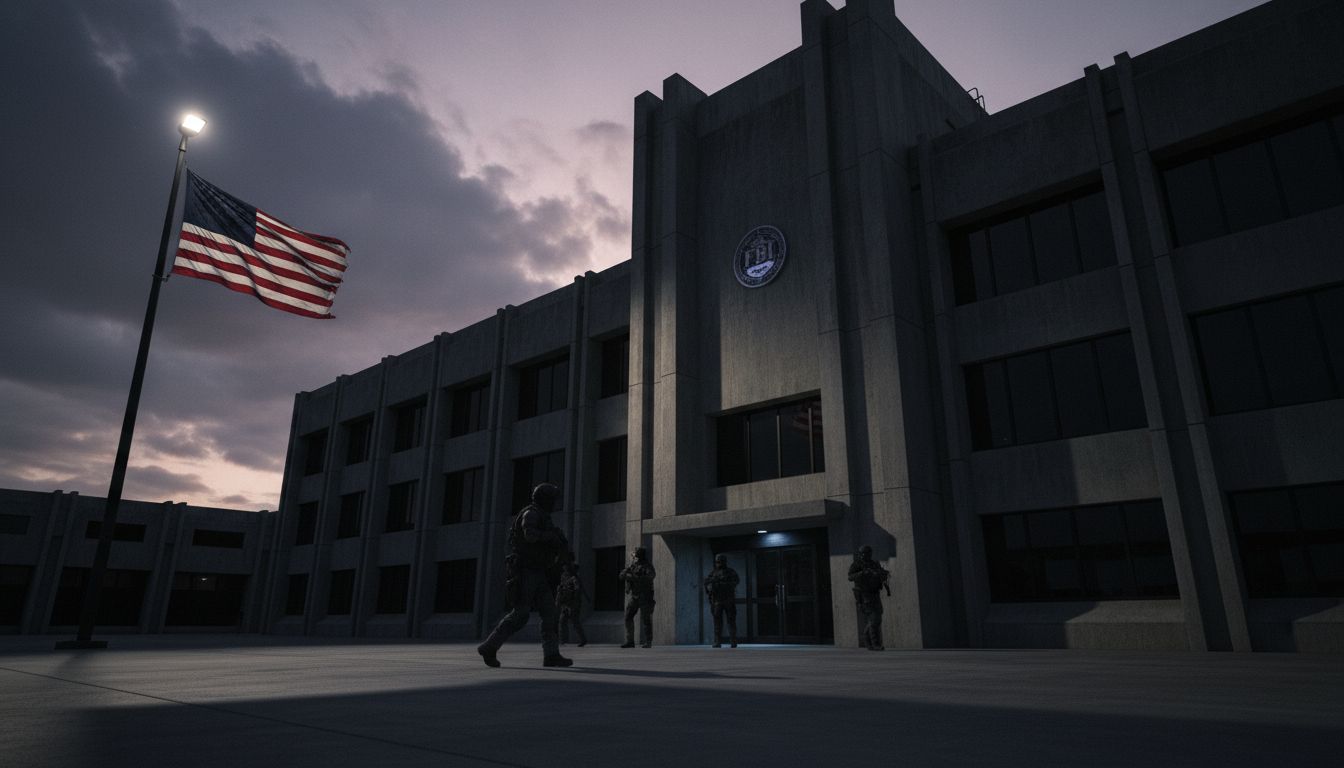

Peter Villa Cordova has never spent a day in prison. Not one. His punishment for two decade-old Texas felonies — drug possession and driving off from a cop — was probation, and even that wrapped up about seven years before the feds came knocking.
His other punishment? A lifetime ban on ever touching a firearm. Because nothing says “measured justice” like a permanent constitutional forfeiture for a guy the judge didn’t think needed a single night in a cell.
The Ban With No Expiration Date
Federal law — the felon-in-possession statute, for those keeping score at home — doesn’t care what your felony was. Violent, nonviolent, paperwork, doesn’t matter. Any felony, ever, and your Second Amendment rights are gone until the day you die.
Martha Stewart is a convicted felon. Under this law, the woman who taught America to fold napkins is too dangerous to own a shotgun. That’s the statute we’re working with.
Cordova’s second felony, by the way, was evading arrest in a vehicle — the lowest-rung felony Texas has. A judge who heard all the actual facts gave him probation. Ten years later, Washington’s position is that this same man forfeited a constitutional right forever.
He pleaded guilty to the gun charge and appealed. A three-judge panel of the Fifth Circuit upheld the conviction. But Judge James Ho wrote separately to say the quiet part out loud: the law “imposes a lifetime ban on the possession of a firearm. And it does so even if the person has never been sentenced to serve a single day in prison.”
Judge Andrew Oldham went further, calling the circuit’s approach to these cases “historically bankrupt” and saying the precedent behind it — a case called Diaz — was “wrong on the day it was decided.” (Nothing builds confidence in a legal framework like the judges applying it describing it that way.)
Then the Whole Court Stepped In
On September 14, the full Fifth Circuit vacated that panel decision and agreed to rehear the case with every judge on the bench — what the lawyers call “en banc.”
Let’s be straight about what that means and what it doesn’t. Nobody’s conviction has been overturned. No ruling has come down. But appeals courts don’t wipe a decision off the books and summon the entire bench to tell three of their colleagues “great job, carry on.”
The question now in front of them: after the Supreme Court’s Bruen and Rahimi decisions — which said gun laws have to match America’s historical tradition — can the government really disarm a nonviolent felon for life, automatically, with no look at whether he’s actually dangerous?
The press will frame this as “court reconsiders felon gun case,” like the Fifth Circuit is the one doing something radical. Flip it around. The radical position is the one we’ve all been living under — that Washington can revoke an enumerated constitutional right forever, by statute, for a man it never considered dangerous enough to jail for one night.
And before anyone shrugs and says “simple — don’t be a felon,” remember that a famous defense attorney once estimated the average American unknowingly commits three federal felonies a day. You. Yes, you, with the spotless record and the strong opinions about law and order. You are one obscure statute away from the exact same lifetime ban as Cordova.
Two Circuits on a Collision Course
We’ve seen this movie before — in Philadelphia. Bryan Range lied on a food-stamp application back in 1995 to feed his family. Decades later, the full Third Circuit ruled the lifetime gun ban unconstitutional as applied to him — twice, actually, doubling down after the Supreme Court told them to take a second look.
If the Fifth Circuit — the most conservative appeals court in the country, covering Texas, Louisiana, and Mississippi — lands anywhere near the Third, that’s two federal circuits telling Congress its favorite gun statute has constitutional limits. And the felon-in-possession ban isn’t some dusty backwater law. It’s one of the most-prosecuted federal gun crimes in America, thousands of cases every single year.
The Supreme Court can duck a lot of things. It can’t duck that forever — especially with a blockbuster gun case already sitting on its December calendar.
And if the courts finally force a dangerousness test into the law, prosecutors would have to prove a person is actually dangerous before stripping a constitutional right for life. Imagine that. Radical stuff — proving your case.
The full Fifth Circuit hasn’t ruled yet, and we’re not going to pretend otherwise. But keep your eye on what’s actually on trial here. A right you can lose forever without spending a single night in jail isn’t a right. It’s a permission slip.