The top courtroom lawyer for the United States government just asked the Supreme Court for ten minutes of speaking time in the biggest gun case in a generation. He doesn’t want those ten minutes to defend the AR-15 bans. He wants them to help tear the bans down.
Somewhere in a Bloomberg-funded office suite, a staff attorney just choked on his oat-milk latte.
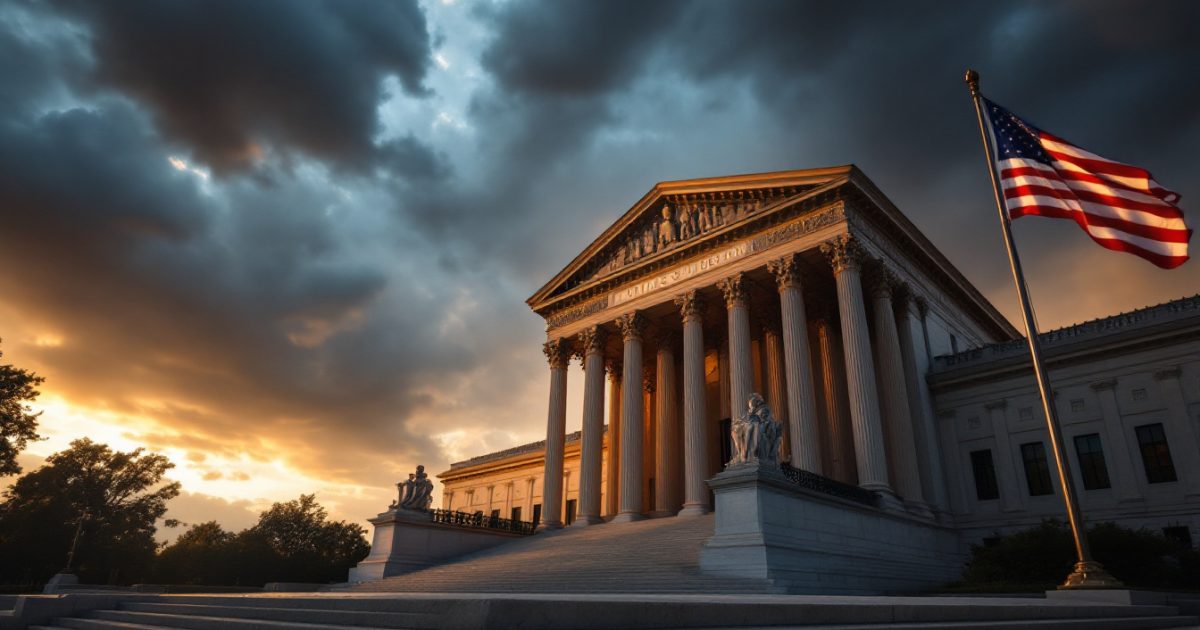
Here’s the setup. On December 2, the Supreme Court hears argument in two consolidated cases — one challenging Connecticut’s statewide “assault weapon” ban, the other challenging Cook County, Illinois’ ordinance. The question the justices agreed to answer: whether the Second and Fourteenth Amendments guarantee the right to possess AR-15 platform and similar semi-automatic rifles.
Not a side issue. Not some technicality about standing or filing fees. The whole ballgame, on the docket, with a date.
And now Solicitor General D. John Sauer — the man whose job is arguing for the federal government at the Supreme Court — has filed a motion asking for ten minutes at the lectern on the challengers’ side. The Justice Department already filed a brief telling the Court that categorical AR-15 bans flunk the Second and Fourteenth Amendments.
If you lived through the last administration, go back and read that paragraph again. Slowly.
The Scary Adjective Finally Died
The press has spent thirty years calling these laws “assault weapons bans.” The adjective does all the work. Nobody polls well defending an “assault” anything.
But look at what the Court’s own question presented calls the thing: “AR-15 platform and similar semi-automatic rifles.” Even the paperwork stopped pretending.
That’s because the rifle in question is the most popular rifle in America — tens of millions of them in circulation, by the industry’s own count, owned by cops, competition shooters, ranchers, and your neighbor with the suspiciously perfect lawn. Connecticut and Cook County will stand up in December and argue that the most commonly owned rifle in the country somehow isn’t one of the “arms” the Second Amendment protects.
Good luck with that.
The Long Duck Is Over
For years, the Court ducked. Petition after petition on these bans went up the marble steps and came back stamped “denied.” Justice Kavanaugh finally wrote out loud that the Court “should and presumably will address the AR-15 issue soon, in the next Term or two.”
We’ve all heard “soon” from Washington before. “Soon” is what they’ve been telling us about balancing the budget since disco was popular.
Except this time there’s a granted case, briefs piling up at the clerk’s office, a reserved courtroom, and a circled date. The Second Circuit and the Seventh Circuit both upheld these bans last summer — and the justices did not take this case to mail those judges a congratulations card.
We’ve all followed this fight for decades. But you — the guy who passed the background check, bought the rifle legally, locked it up like a responsible adult, and still got called a domestic terrorist by a cable-news panel — this case is about you. Not the carjackers in Cook County. They skip the paperwork entirely, and the county knows it.
They Already Have a Plan B
Now for the part to watch after the confetti. A fresh friend-of-the-court brief in the Cook County case warns the justices about the gun-control lobby’s fallback plan — and it’s not hypothetical, because the fallback is already on the books out West.
Colorado just enacted a permit-to-purchase scheme for these same rifles. The brief catalogs the whole toolbox: acquisition licenses, stacked fees, mandatory training hours, waiting periods, “sensitive place” designations that cover everywhere but your bathtub. Ban the rifle? No, no. Just bury it in paperwork until the ban isn’t technically a ban.
We’ve seen this movie. In June 2022, the Court struck down New York’s “proper cause” carry law in Bruen. It took Albany about a week to pass a replacement stuffed with character interviews, references, and 16 hours of mandatory training. The toll booth didn’t close. It got renamed.
So here’s the projection, and you can hold us to it. The Court rules by next June. If the bans fall, count the days until Sacramento, Albany, and Trenton roll out “public-safety rifle licensing” bills — the drafts are sitting in a folder right now, waiting for the press conference.
“Of course you can own an AR-15,” some governor will announce, wounded that you’d ever doubted him. “Right after the 16-hour class, the character interview, the three references, the $500 in fees, and the 120-day processing window. Which is backlogged.”
That’s why the Solicitor General’s ten minutes matter, and why that fresh amicus brief matters more than it looks. The fight on December 2 isn’t just about whether the bans die. It’s about whether the Court writes an opinion strong enough to kill the costume-change routine too.
Nobody can promise you five votes, and anyone who claims to know how this ends is selling crystal balls. But for the first time since these bans existed, the question isn’t whether the Supreme Court will answer. It’s what happens to the states that spent a decade betting it never would.
December 2. Set a reminder.