There’s a rifle in the back of your safe you haven’t fed in two years, standing behind the good stuff where you don’t have to look at it.
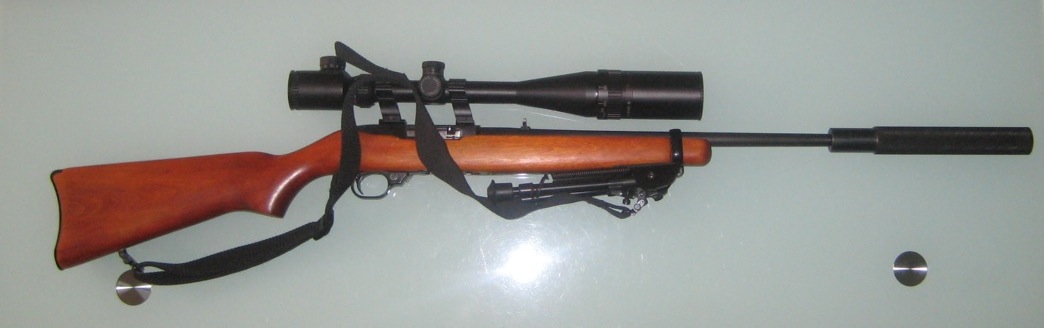
Might be a 10/22 with a stock somebody painted in a garage. Might be a Marlin with a tube magazine that takes a solid minute to load and a front sight that’s been bent since the Clinton administration. Or a single-shot bolt gun with a name on the receiver nobody makes anymore and a scratch on the comb you put there yourself.
It is the least expensive thing in that safe, and it is the only gun in there that would make you a better shooter this year.
That’s the argument, and I’ll make it.
Start with the plain economics, because everything else follows from it. Skill is repetitions. Not knowledge, not gear — repetitions, the kind where you press a trigger and something happens downrange and your hands learn what they did. There’s no way around that and there never has been. Repetitions cost money, which is why most American shooters own more capability than they have skill: the gun was a one-time purchase and the skill is a subscription they stopped paying.
Rimfire changes the arithmetic and it isn’t close. It’s been the cheapest thing on the ammunition shelf for as long as anybody reading this has been buying ammunition, and in the stretches where it’s gotten expensive, it’s gotten expensive relative to itself and stayed a bargain relative to everything else. A day of shooting that would flatten your wallet in centerfire is a Saturday afternoon in rimfire. More trigger presses in one morning than most carry-gun owners log in a year.
That alone would make the case. Then there’s what the little cartridge does to your body, which is nothing.
Recoil teaches. That’s the part people miss when they argue about it. They talk about recoil like it’s a comfort issue, something to tolerate if you’re man enough. It isn’t. It’s a teacher, and it teaches the wrong lesson fast. Your body is extremely good at learning that a loud unpleasant thing is about to happen and preparing for it. That preparation is the flinch. Get it early, before your fundamentals are set, and you can spend the next fifteen years and a small fortune in ammunition trying to talk your own nervous system out of something it learned in an afternoon.
A .22 gives the body nothing to brace against. No blast worth the name and nothing to push back against. Which is why the first gun matters more than almost any other gun a person will ever own, and why handing a kid a rifle that hurts him is the most expensive gift in shooting.
Here’s the turn, though, and it’s the part that makes me want to argue with the whole hobby.
We decided the .22 is a beginner’s gun. Graduation equipment. Something you pass through on the way to a real caliber, and if you’re still shooting one at forty somebody’s going to say something.
It is not a beginner’s gun. It’s a measuring instrument, and it’s the most accurate one you’ll ever own.
Think about what a magnum actually does to the evidence. You press the trigger badly — you snatch it, you push the muzzle, you close your eyes a quarter-second early. Then the gun detonates and rolls your wrist, and by the time the sights come back down there is no way on God’s earth to know which part of that was you and which part was the cartridge. The recoil eats the evidence. You get a hole in the wrong place and no testimony about how it got there.
A .22 doesn’t move. The sights sit right where you left them, which means every single thing that happens to those sights was done by your hands. Push the muzzle and you watch yourself push it. Slap the trigger and it’s right there in front of you, in real time, in daylight. The gun has no way to cover for you and no interest in doing it.
Dry fire will tell you some of that, and everybody should do it. It just can’t tell you the hard part, because your body knows the gun is empty. A .22 is loaded and going off and still won’t lie for you. That’s an honesty nothing else in the safe can manage.
Which is why the best shooters I’ve ever been around own one and shoot it more than they let on.
Then there’s the other thing, the part that isn’t technical at all. The .22 is the gun that gets handed down, and it’s about the only one that gets handed down without anybody making a ceremony out of it. It goes from a grandfather to a father to a kid on a fence line with a coffee can, and it comes back thirty years later with a different scratch on it, and somewhere in that chain is most of what’s actually kept this culture alive. The Ruger 10/22 and the Marlin Model 60 are among the best-selling American rifles ever built, and not because anybody was arming themselves. Because that’s how the country learned.
So go get it out. Clean the dust off, put a cheap piece of paper at twenty-five yards, and shoot a hundred rounds slowly with no timer and nobody watching.
It’ll tell you exactly what you’ve been doing wrong. It always did. You just stopped asking.