I’m about to tell you to practice something you will almost certainly never do. So let me make your argument for you first, because your argument is good and you deserve to hear it put properly before I take it apart.
You carry a gun. You have never reloaded it under any kind of pressure — no timer, no buzzer, nobody yelling. A lot of you have never practiced a reload at all. And you’ve got a reason.
The reason is this: civilian defensive encounters mostly end fast. I’m calling that a general pattern and leaving it there, because every hard number anybody quotes you in this business arrives with an argument stapled to it. But the shape of the thing isn’t in dispute. These are over in a hurry, at close distance, with very few rounds fired — and a great many of them with nothing fired at all. The man leaves. The man quits. The sight of the gun does the whole job.
Nobody in that story needed a second magazine.
Meanwhile the reload gets more drill time than almost anything else anybody will teach you. It’s in the warmup, it’s in the qualification, it’s on the timer, it’s the thing the instructor films you doing. And then you drive home and none of it is ever going to matter.
So you skipped it. On the merits of “am I going to need this,” you made a defensible call.
Here’s what you missed.
The reload isn’t really a solution to running out of ammunition. It’s a solution to a gun that stopped working. And a gun that stops working is a far more likely problem than a gun that runs empty.
Think about what a malfunction actually asks of you. Something’s wrong. The gun went click, or went nowhere, or the slide’s sitting back where it shouldn’t be. Whatever the specific failure, the fix is built out of the same handful of motions: get the magazine out, work the slide, get a magazine in, get the slide forward. Strip, rack, feed, run.
So practice the reload and you’re not practicing the reload. You’re grooving the four hand movements that fix nearly anything a pistol can do wrong.
That’s the trade nobody explains. You skip a skill because the headline use case is rare, and in skipping it you also skip the manipulations that cover the common case.
And the common case is common. Magazine springs get tired. Feed lips get bent in a drawer. You buy ammunition you’ve never run before. You limp-wrist one off a draw you rushed. You get a shirttail in there. Guns are machines, and machines stop.
Two words worth knowing while we’re here, because people use them interchangeably and they aren’t the same thing.
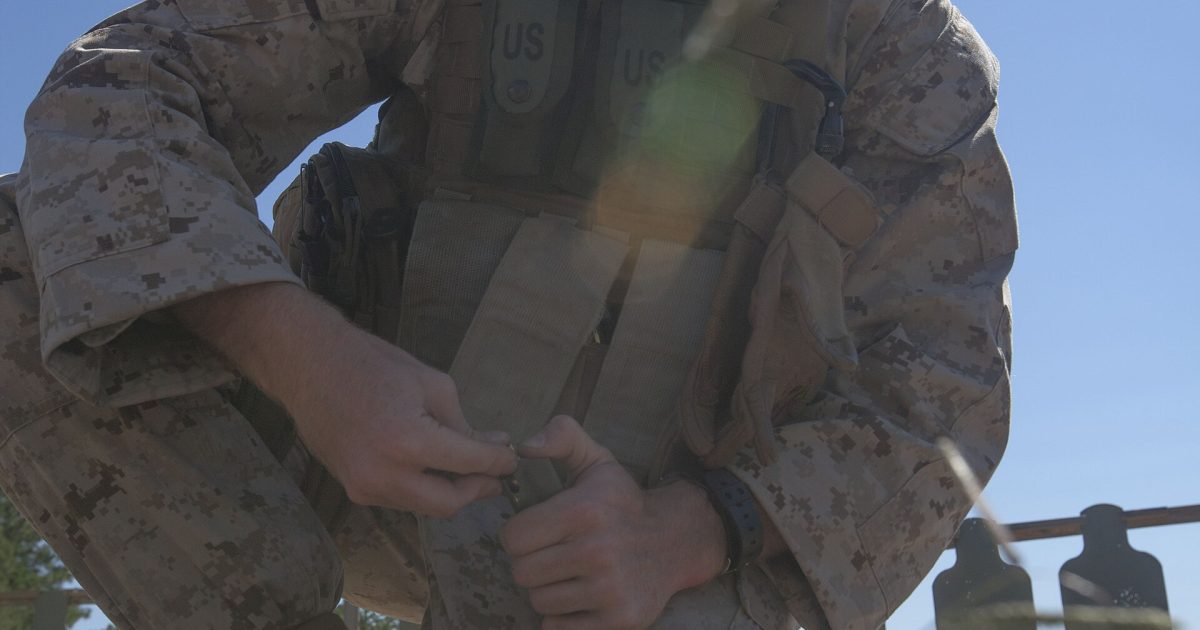
The speed reload is for a gun that’s empty, or close to it, and a situation that won’t wait. The magazine in the gun goes on the ground and you don’t care about it. You’ve got a hand free and a hole to fill, and the only thing that matters is how fast there’s ammunition back in that gun. The old magazine is somebody’s problem later.
A reload with retention is for when you’ve got a second. The partial magazine comes out and goes in a pocket, down your shirt, wherever — then the fresh one goes in. Slower, on purpose, because you’ve decided you have the time and you’d rather not be standing in a parking lot with live rounds lying in the grass behind you.
The difference matters less than internet arguments suggest and considerably more than zero. Mostly it matters because knowing which one you’re doing is what keeps you from doing a confused hybrid of both, which is exactly what happens to the man who never put a name to either.
Now the cheap part.
Dummy rounds. Bright orange plastic or aluminum, a handful for pocket change, and they turn your living room into the only reload range you’ll ever need. Load a magazine with them. Check the gun, check it again, then check it a third time, and do the whole thing — out, in, seated, slide forward — a hundred times across a week with something on the television. No ammunition, no range fee, no drive out there. Hands learn this the way they learn a gear shift, which is to say through boredom and repetition and not at all through understanding.
And here’s why you want it boring.
Fine motor control falls apart under adrenaline. That’s not gun-counter folklore, it’s just what a frightened body does — blood leaves the hands, coordination degrades, and what you’re left holding is whatever gross-motor pattern you grooved deep enough to run without supervision. Anything clever you built will not be there when you go looking for it. Anything you could do half asleep probably will.
Which argues for fewer movements, bigger movements, and the same movements every single time. Not a sophisticated technique. The same dumb one, a thousand times.
The gun you’ll never need to reload is also the gun that’s going to quit on you some Saturday at the range, in daylight, in front of people, for no reason at all. Your hands will either know what to do or they’ll turn and look at you.